
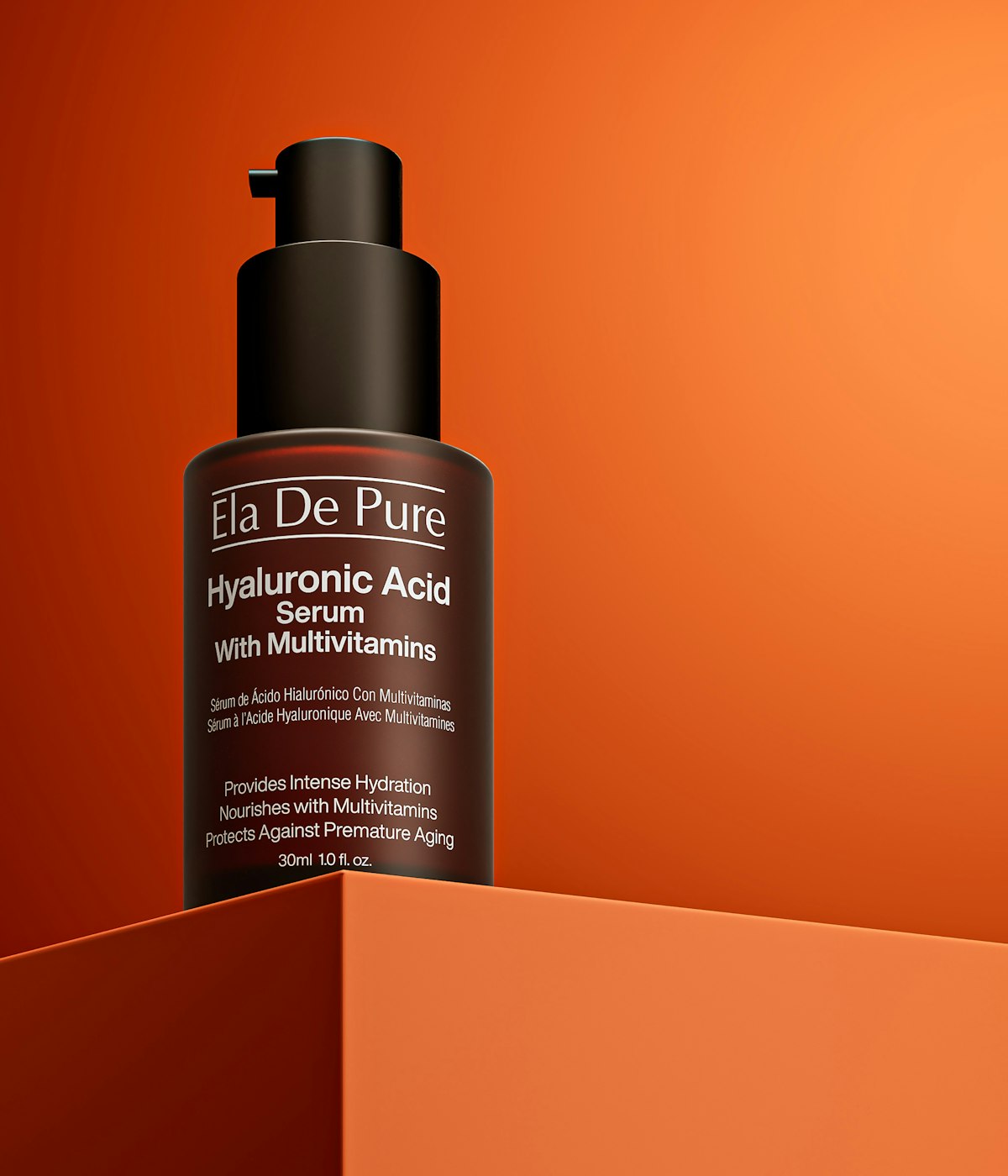
- There are reports that hyaluronic acid has a positive effect on skin hydration.
- The evidence score is 83, and reliability is considered high.
- This information is useful for people interested in skin dryness and elasticity.
Hyaluronic acid is a component that exists naturally in the body.
It is sometimes discussed in the context of skin hydration as something taken orally (Oral Hyaluronan).
There are research results suggesting that taking hyaluronic acid orally may cause changes in skin condition. Specifically, reports indicate increased skin hydration and increased skin elasticity.
In a small study involving 40 Asian men and women aged 35 to 64, participants took 120 mg daily for 12 weeks (84 days). As a result, improvements were reported in wrinkle condition, water content of the stratum corneum (the skin's outermost layer), and in evaluations of transepidermal water loss (the amount of water escaping from the skin) and elasticity, compared with the group that took a placebo (a substance with no effect used as a control).
A study of 150 healthy Caucasian adults also examined a similar tendency. In this study, participants took 60 mg or 120 mg continuously for 12 weeks. As a result, skin hydration and elasticity increased, while transepidermal water loss, sebum amount, and the depth of wrinkles around the eyes were reported to decrease.
These studies were conducted using randomized controlled trials (a reliable research method that randomly divides participants to compare effects). In other words, these are attempts to confirm the effect of hyaluronic acid while controlling for other factors such as diet and lifestyle. However, these results remain at the research stage, and it may not suit everyone.
Research has also examined how far the "size" of hyaluronic acid molecules allows them to reach into the skin. It has been suggested that whether a molecule can pass through the skin's layers differs depending on its size.
In a study conducted at the laboratory level (in vitro: an experiment that reproduces phenomena within a living body in a test tube or similar setting), low-molecular-weight hyaluronic acid of 5 kDa (kilodaltons) and 8 kDa was reported to pass through the stratum corneum and enter the epidermis (the skin's outermost layer) and dermis (the layer beneath it). On the other hand, hyaluronic acid with larger molecules was shown to remain on the surface.
In other words, hyaluronic acid's penetration into the skin differs depending on its size. A mechanism is being considered in which low-molecular-weight hyaluronic acid penetrates deeper into the skin and may contribute to retaining moisture.
Some research related to skin health has also touched on collagen. An analysis combining the results of multiple studies showed the possibility that collagen intake affects skin condition.
This investigation examined studies (including randomized controlled trials) involving a total of 646 participants. As a result, collagen supplement intake was reported to be statistically effective in increasing skin hydration and elasticity.
In this way, a meta-analysis (a method that statistically combines the results of multiple studies for analysis) integrating many studies has allowed multifaceted examination of the effects of specific ingredients on the skin. However, these are merely tendencies based on accumulated data, and they may not apply to everyone in the same way.
| Study | Design | Number of Participants | Duration | Main Result |
|---|---|---|---|---|
| Nutrients (2021, PMID:34203487) | Randomized controlled trial (RCT) | 40 | 84 days | A positive effect was reported |
| Journal of controlled release : official journal of the Controlled Release Society (2023, PMID:37004799) | In vitro study | Not reported | Not reported | A positive effect was reported |
| Indian journal of dermatology, venereology and leprology (2025, PMID:40826844) | Meta-analysis | 646 | Not reported | A positive effect was reported |
| Scientific reports (2025, PMID:41422283) | Randomized controlled trial (RCT) | 150 | 84 days | A positive effect was reported |
The subjects of the research include 40 healthy Asian men and women aged 35-64, and 150 healthy Caucasian adults. In addition, a meta-analysis covering 10 studies examined a total of 646 people.
As for participant characteristics, it can be seen that being in a healthy state and belonging to a specific ethnic group were selection criteria.
4 studies have been reported.
The study designs include randomized controlled trials (RCTs), meta-analyses, and in vitro studies.
The in vitro studies show responses observed under specific conditions.
What effect has hyaluronic acid been reported to have on skin hydration?
Research has been reported showing that hyaluronic acid has a positive effect on skin hydration. This research is considered to have high reliability.
What data exists on the dosage and duration of hyaluronic acid intake?
There are trials involving intake of 60 mg to 120 mg daily for 12 weeks, and studies involving intake of 1 to 10 g. These relate to dosage and duration.
Does the molecular weight of hyaluronic acid affect skin penetration?
There is research suggesting that low-molecular-weight hyaluronic acid passes through the stratum corneum and enters the epidermis and dermis. This relates to differences based on molecular weight.
Hyaluronic acid is an important component related to skin hydration, and many studies have examined its effects. Reports have come from various angles, including oral intake and differences in penetration based on molecular size. This information is based on data from only 4 studies, but it may offer a hint when considering your skin's condition. Why not try a self-check assessment to see whether it suits your own skin?