
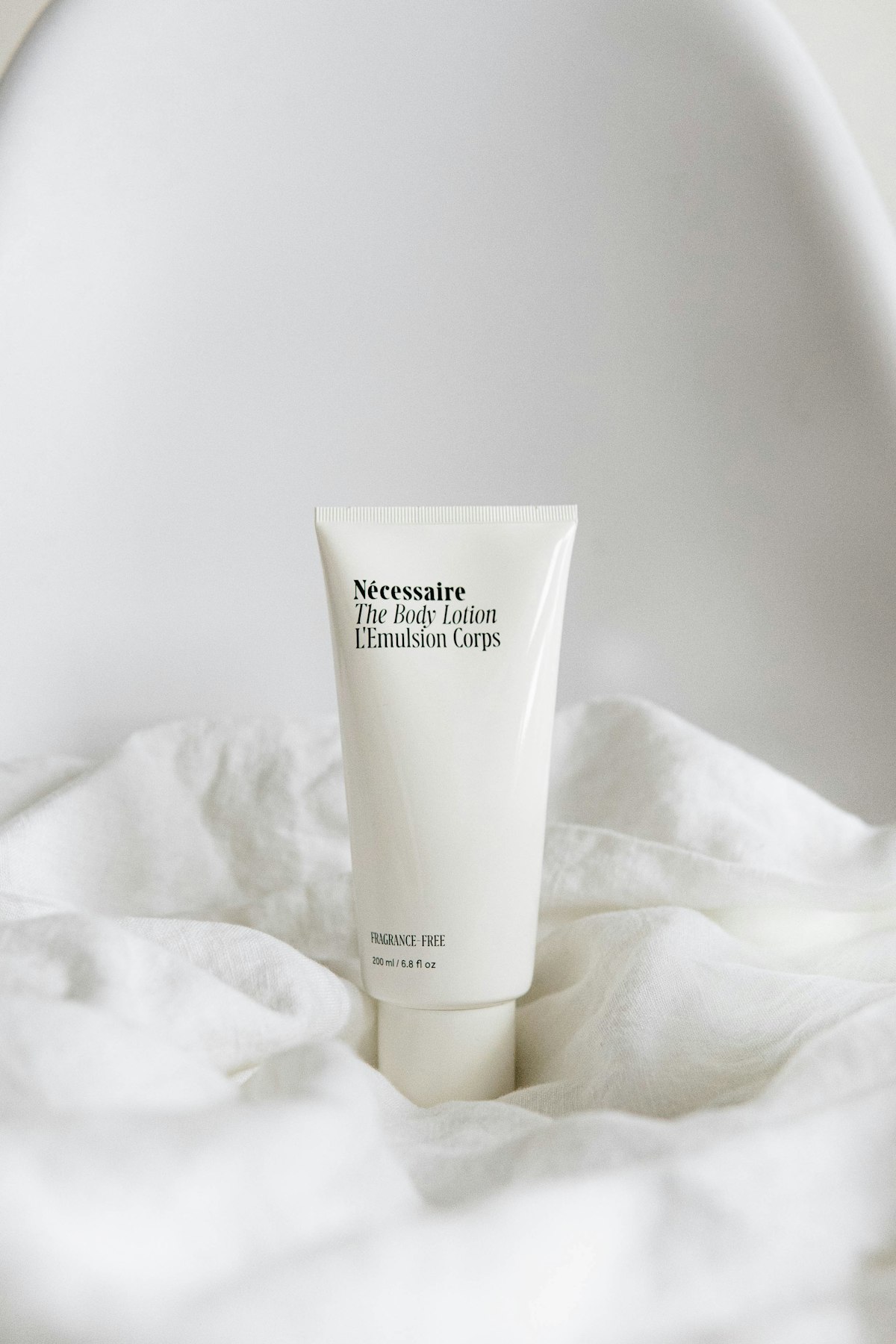
- It has been reported that moisturizing care using specific ingredients may support skin water content and barrier function.
- The evidence score is 42, and the reliability of the data is considered low (limited).
- This information is useful for those researching skin dryness and barrier function.
Moisturizing care is a general term for care performed to improve skin condition.
It is generally used in the context of maintaining skin condition by applying ingredients to the skin.
Moisturizing care is performed to help maintain the mechanism that protects the skin's surface. Our skin has a barrier function that protects it from external stimuli, but when this declines, dryness becomes easier to notice. This study showed the possibility that using a specific ingredient (an active ingredient) may affect the state of this barrier function. In other words, this care is being examined as something that may help keep skin healthy.
Research has been conducted into how the use of moisturizing ingredients relates to skin condition and the mechanisms involved.
This study showed that using a specific active ingredient may help support skin water content and barrier function.
Specifically, this is a small-scale study involving 66 women with dry skin. They were divided into groups of 44 and 22, and a comparison was made in which a specific ingredient was applied twice a day for 2 weeks.
This study was conducted as a randomized controlled trial (a reliable research method that randomly divides participants to compare effects). In addition, it adopted a double-blind design (a mechanism in which neither the researchers nor the participants know which substance is which, to prevent preconceptions). It also used a method involving a control from which only the active ingredient was removed (a way of clarifying the difference from doing nothing). The number of studies is 1, and 66 participants were involved.
What kind of changes were actually observed in the skin from moisturizing care?
The results of the study reported improvement in skin water content and barrier function.
Through continued use over 2 weeks, changes in skin condition were confirmed at every measurement point.
This result was shown with statistical significance (a state in which there is a reliable difference based on the data, not due to chance). In other words, within the framework of this study, numerical changes were observed.
While the content of this study is very interesting, there are a few points worth knowing. The evidence score (an index showing how certain a study's findings are) is 42, and reliability is considered low (limited).
There are three main reasons for this. First, there is only 1 study. Second, the number of participants — 66 — is relatively small. Third, the study was conducted over a short period of just 2 weeks.
Therefore, these results may not apply to everyone. It may not have an effect for some people, and it may not suit everyone's skin. It is important to regard this as just one research report.
| Study | Design | Number of Participants | Duration | Main Result |
|---|---|---|---|---|
| Skin pharmacology and physiology (2022, PMID:34619676) | Randomized controlled trial (RCT) | 66 | 14 days | A positive effect was reported |
This study covers 66 women with dry skin (44 and 22 in each group).
This can serve as a reference for people with dry skin considering whether the results apply to them.
This content is based on only 1 study.
It is a randomized controlled trial (RCT) conducted over a period of 14 days.
Reliability is reported to be limited.
What effect does moisturizing care have on skin barrier function?
Research has been reported showing a positive effect on skin barrier function. This is based on 1 study.
What method was used for moisturizing care in this study?
It was performed twice a day over a period of 14 days. Care was carried out through application.
Who was the subject of this moisturizing care research?
66 women with dry skin were the subjects. They were split into groups of 44 and 22.
One study showed that moisturizing care may have a positive effect on skin water content and barrier function. However, the evidence score is relatively low at 42, and reliability is limited. To accurately understand your own skin condition, please also try using a self-check assessment.